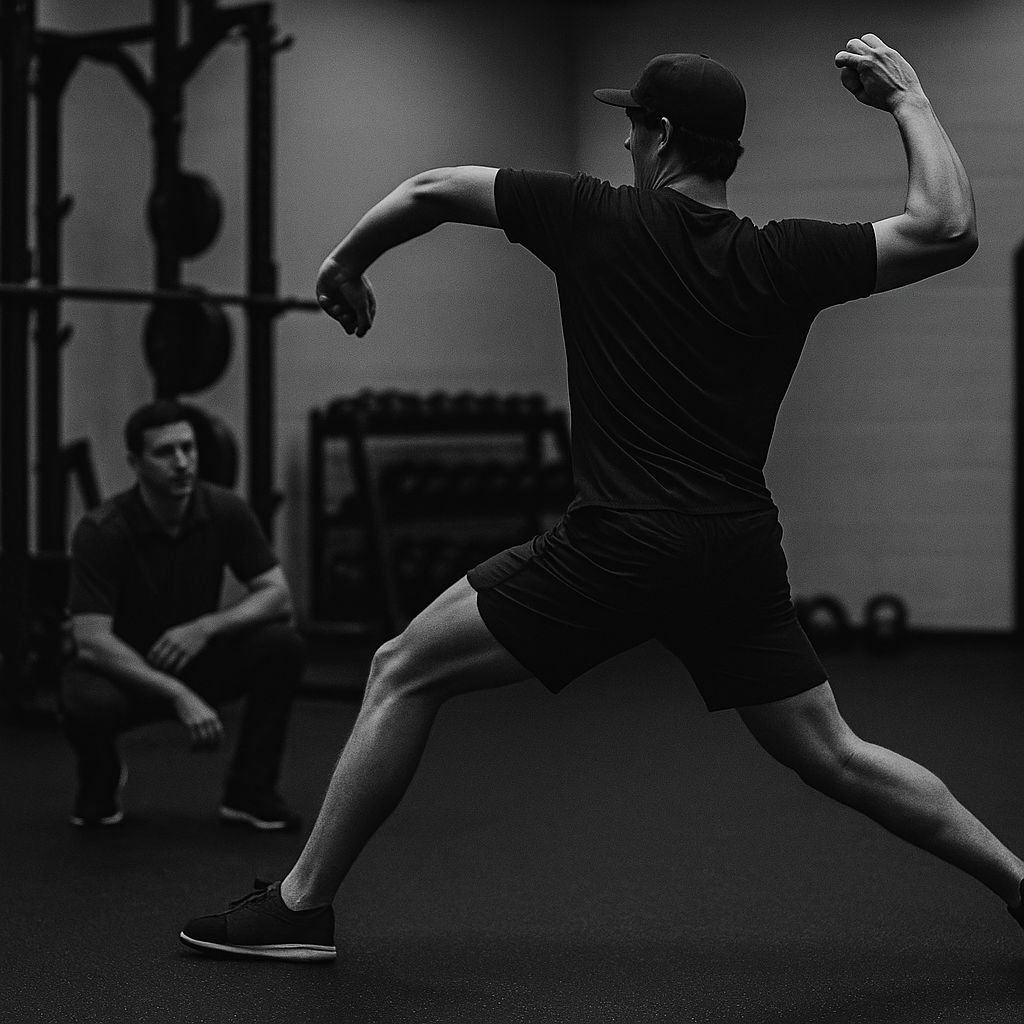
Global Movement Assessment
Understanding How Your Body Moves
At IC Strength Physical Therapy, every plan of care begins with a comprehensive global movement assessment. Rather than focusing only on the area where you feel pain, we evaluate how your entire body moves and functions together.
Pain often develops when movement patterns become inefficient or when certain areas of the body begin to compensate for others. A global assessment helps us identify these underlying contributors so treatment can address the root cause—not just the symptoms.
Why Movement Assessment Matters
Many injuries and persistent pain conditions develop gradually due to:
Limited joint mobility
Muscle imbalances
Poor movement mechanics
Training or activity overload
Previous injuries that altered movement patterns
If these underlying issues are not addressed, symptoms often return even after temporary relief.
A global movement assessment allows us to identify these factors early so your rehabilitation program can correct them.
What We Evaluate
During your assessment, we analyze how different parts of your body work together during common movements and functional tasks.
This may include evaluating:
Joint Mobility
How well key joints move, including the spine, hips, shoulders, and ankles.
Strength and Stability
Muscle strength, endurance, and the ability to stabilize joints during movement.
Movement Mechanics
How your body performs functional patterns such as squatting, hinging, reaching, rotating, and walking.
Balance and Coordination
Your body’s ability to control movement and maintain stability.
Sport or Activity-Specific Demands
If you participate in sports or strength training, we assess movements that are specific to your activity.