
Manual Therapy
Manual therapy refers to hands-on techniques used to improve mobility, reduce pain, and restore normal movement. At IC Strength Physical Therapy, manual therapy is used strategically to help patients move better so they can get the most benefit from active rehabilitation and strength-based exercise.
Rather than relying solely on passive treatments, manual therapy is integrated with targeted exercise and movement retraining to support long-term recovery and performance.
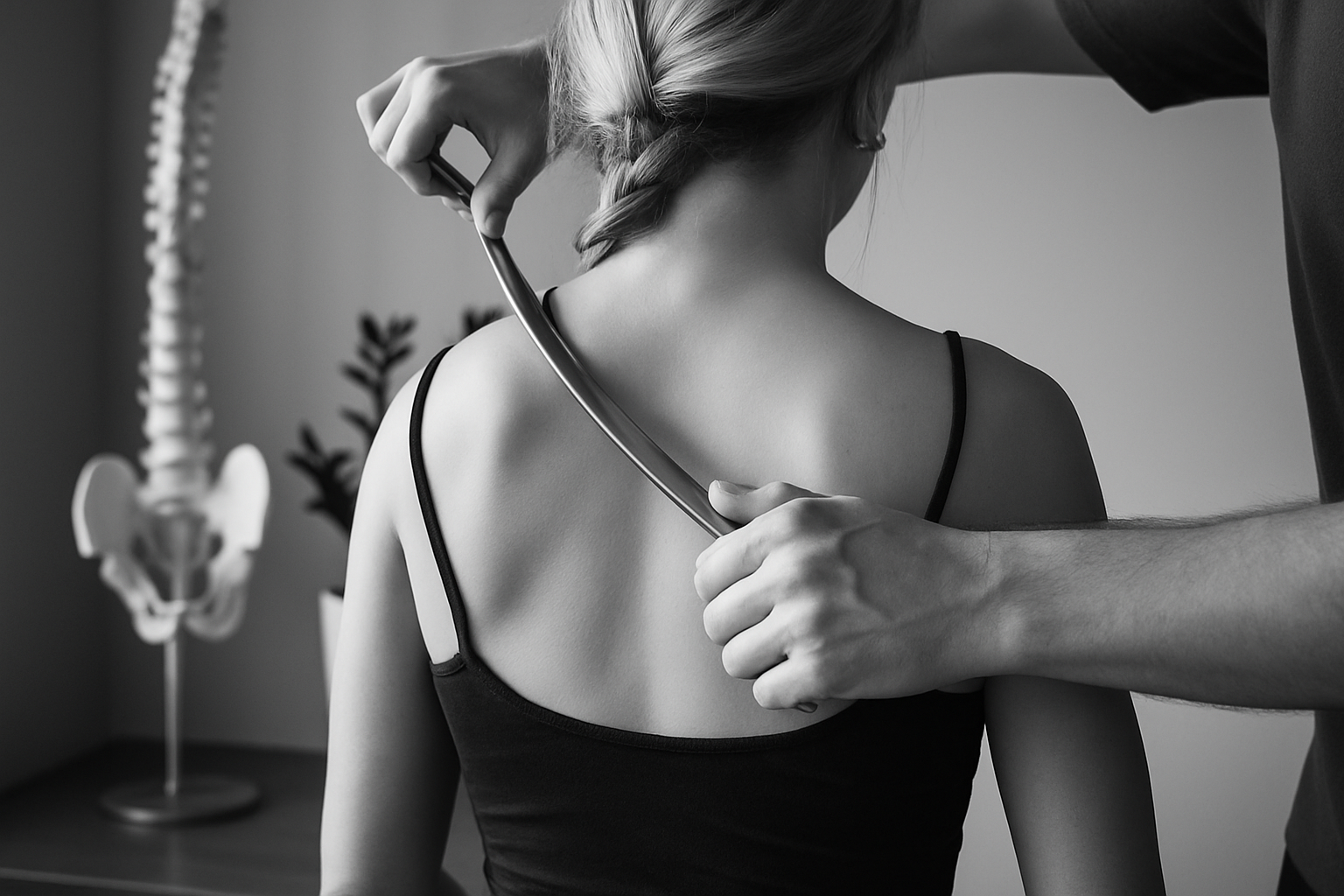
Instrument Assisted Soft Tissue Mobilization (IASTM)
IASTM uses specialized tools to apply controlled pressure to soft tissues. This technique can help identify and treat areas of tissue restriction, promote improved tissue mobility, and stimulate the body’s natural healing response.
IASTM is commonly used for conditions involving tendon irritation, scar tissue, or chronic soft tissue tightness and is often paired with corrective exercise to reinforce improved movement.
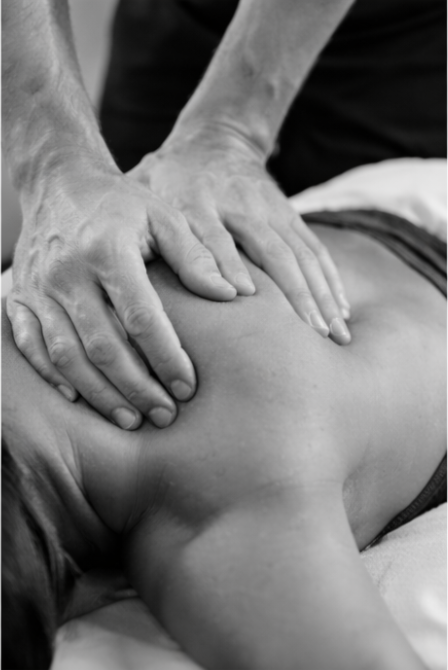
Deep Tissue Techniques
Deep tissue techniques involve targeted hands-on treatment of muscles and surrounding connective tissue to address areas of tension, restriction, or irritation. These techniques can help improve circulation, reduce muscular tightness, and restore normal tissue mobility.
When appropriate, deep tissue work may be used to prepare tissues for movement, improve flexibility, and help patients perform strengthening and rehabilitation exercises more comfortably.
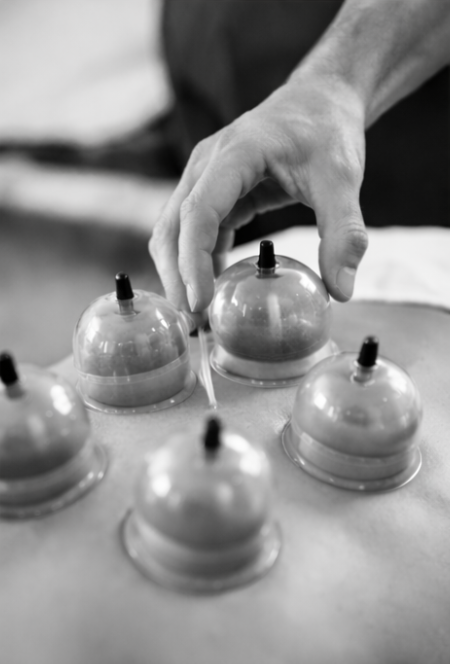
Cupping Therapy
Cupping is a form of negative-pressure therapy that uses a gentle suction effect on the skin and underlying tissues. This technique may help improve circulation, reduce muscular tension, and promote soft tissue mobility.
Cupping is sometimes used to address muscle tightness or movement restrictions and is typically combined with active rehabilitation strategies.
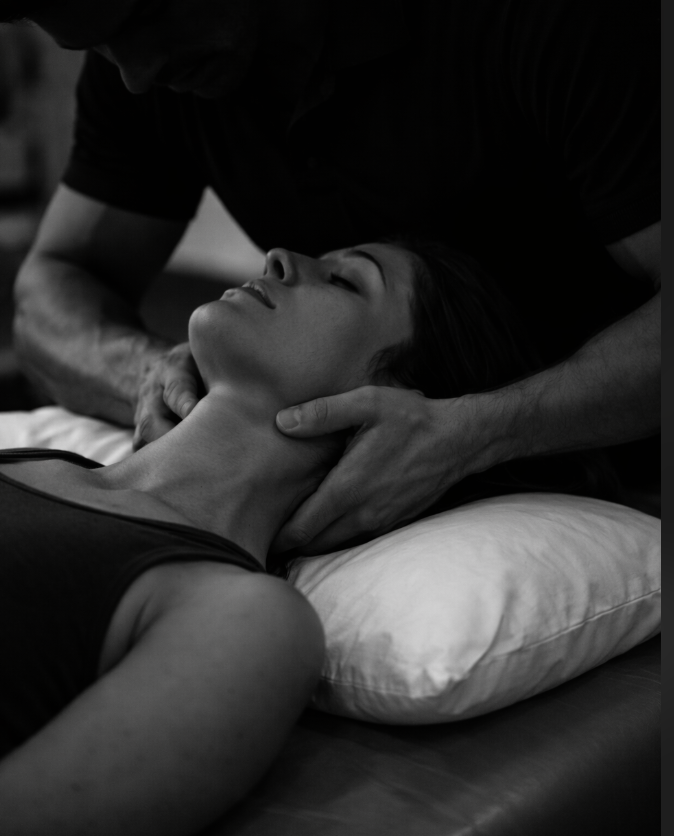
Joint Mobilization & Manipulation
Joint mobilization and manipulation are manual techniques used to restore normal joint movement and reduce stiffness. These treatments involve controlled movements applied to a joint to help improve mobility and support proper mechanics.
Mobilization typically involves gentle, repeated movements, while manipulation involves a quick, precise technique that may produce a small “pop” or release within the joint. Both approaches are used to help restore motion, reduce discomfort, and make it easier for patients to move and perform therapeutic exercises.